
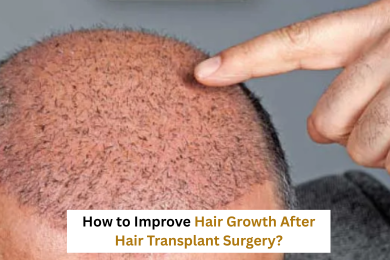
Undergoing a hair transplant is a major step toward restoring hair density and confidence. However, many people feel anxious in the weeks and months following the procedure. Especially when growth seems slow or shedding occurs. This concern is natural. A hair transplant treatment in Delhi or anywhere else is not a one-day solution; it is a gradual biological process that depends heavily on post-surgery care, lifestyle choices, and patience.
Improving hair growth after hair transplant surgery is not about shortcuts. It is about understanding how transplanted follicles behave, supporting healing, and avoiding common mistakes that can compromise results. This article explains what truly helps hair grow better after a transplant, what is normal during recovery, and how you can maximize the success of your procedure.
What Happens to Transplanted Hair Initially?
After a hair transplant in Delhi, the follicles are carefully relocated from a donor area to thinning or bald regions. While the grafts are permanent, the visible hair attached to them does not behave the way many people expect.
In the first few weeks, transplanted hair shafts often fall out. This phase is known as shock loss and is completely normal. The follicles remain alive under the scalp, adjusting to their new blood supply. The shedding does not mean the transplant has failed. It is a temporary response to surgical stress.
During this early stage, the scalp focuses on healing rather than producing new hair. Redness, mild swelling, and scab formation are all part of the normal recovery process.
Hair Growth Timeline After Hair Transplant
Hair regrowth follows a predictable pattern, though the exact speed varies from person to person.
- First 10–14 days: Scabs form and gradually fall off. Grafts settle into place.
- 1–3 months: Transplanted hair sheds. Growth appears minimal, which can be emotionally challenging.
- 3–6 months: New hair starts emerging. Initially, strands may appear thin or uneven.
- 6–9 months: Hair becomes thicker, stronger, and more uniform.
- 12–18 months: Final density, texture, and direction of growth become visible.
Expecting fast results often leads to unnecessary stress, which itself can affect hair health.
Is It Normal If Hair Growth Feels Slow?
Yes, slow or uneven growth after a hair transplant is extremely common. Hair follicles operate in cycles, and not all transplanted grafts enter the growth phase simultaneously.
Several factors influence the pace of regrowth:
- Individual hair cycle patterns
- Blood supply to the scalp
- Skin healing capacity
- Overall health and nutrition
- Genetic hair characteristics
Comparing your progress with others can be misleading. Even successful transplants may look incomplete for several months before showing significant improvement.
Doctor-Specific Ways to Improve Hair Growth After Transplant
Here are a few approaches to improve hair growth after transplant.
Follow Proper Post-Operative Care Instructions
Post-surgery instructions are designed to protect fragile grafts during their most vulnerable phase. Gentle handling of the scalp during the first few weeks is critical.
Patients are usually advised to:
- Wash the scalp gently using recommended techniques
- Avoid rubbing or scratching the transplant area
- Sleep with the head elevated initially
- Avoid tight headwear unless approved by the surgeon
Ignoring these instructions can dislodge grafts or disrupt healing, directly affecting hair growth outcomes.
Maintain a Healthy Scalp Environment
Hair follicles thrive in a clean, calm, and well-oxygenated scalp environment. Inflammation, infection, or excessive oil buildup can slow follicle activation.
Good scalp care includes:
- Keeping the scalp clean without harsh shampoos
- Managing dandruff or irritation early
- Avoiding unapproved oils, serums, or home remedies during early healing
A healthy scalp supports better blood circulation, which is essential for hair growth after transplant surgery.
Use Medications Only If Prescribed
Some patients are advised to use medications to support hair growth. But only under medical supervision.
- Minoxidil may help stimulate growth in certain cases but is not suitable immediately after surgery.
- Finasteride can help stabilize ongoing hair loss in non-transplanted areas for appropriate candidates.
Self-medication or early application without guidance can irritate the scalp or disrupt graft healing. Always follow your doctor’s timeline.
Nutritional Support for Hair Growth
Hair is a protein-based structure, and nutritional deficiencies can delay regrowth even after a successful transplant.
Key nutrients that support hair health include:
- Protein for hair shaft formation
- Iron for oxygen delivery to follicles
- Zinc and biotin for follicle function
- Adequate hydration for cellular repair
However, supplements should only be taken when deficiencies are present. Excessive or unnecessary supplementation does not accelerate growth and may cause side effects.
Lifestyle Factors That Affect Hair Growth After Transplant
Lifestyle Factors Affecting Post-Transplant Hair Growth
Sleep and Recovery
Hair growth is closely tied to overall recovery. During deep sleep, the body releases growth hormones that aid tissue repair and follicle activation.
Poor sleep patterns can:
- Slow healing
- Increase inflammation
- Disrupt hair growth cycles
Consistent, restful sleep supports both scalp recovery and long-term hair health.
Stress Management
Psychological stress after cosmetic procedures is common, especially during the shedding phase. Chronic stress can push hair follicles into a resting phase, delaying regrowth.
Simple stress-reduction practices such as walking, breathing exercises, or light meditation can indirectly improve hair outcomes by stabilizing hormonal balance.
Smoking and Alcohol
Smoking restricts blood flow and reduces oxygen delivery to hair follicles. Alcohol can interfere with nutrient absorption and hydration.
Both habits can negatively affect graft survival and slow hair growth after transplant surgery. Avoiding or significantly reducing them during recovery improves long-term results.
Advanced Treatments to Enhance Hair Growth Post-Transplant
Modern therapies to promote hair growth after transplantation:
PRP Therapy After Hair Transplant
Platelet-rich plasma (PRP) therapy involves using the patient’s own blood components to stimulate hair follicles. PRP may:
- Improve blood supply to transplanted follicles
- Reduce inflammation
- Support faster activation of dormant grafts
PRP is usually considered a supportive treatment rather than a necessity and is recommended based on individual needs.
Low-Level Laser Therapy (LLLT)
Low-level laser devices aim to stimulate follicular activity through light energy. Some patients use them post-transplant to encourage growth, though results vary.
These treatments should be used only with professional guidance to avoid false expectations.
Growth Factor or Medical Boosters
Certain medical boosters may be recommended by specialists to support healing and follicle health. These are not universal solutions and should be used selectively under expert care.
Common Mistakes That Reduce Hair Transplant Results
Many factors that slow hair growth after transplant are avoidable. Common mistakes include:
- Touching or scratching grafts
- Returning to intense exercise too early
- Swimming or sauna use before healing completes
- Applying oils or home remedies prematurely
- Skipping follow-up appointments
- Expecting immediate density
Signs Your Hair Transplant Is Healing Well
Positive signs during recovery include:
- Gradual reduction in redness and swelling
- No signs of infection or persistent pain
- Even shedding followed by gradual regrowth
- Improvement in hair texture over time
Healing is rarely linear, but consistent improvement over months usually indicates a successful transplant.
When to Consult Your Hair Transplant Surgeon
While patience is important, certain situations require professional review:
- Persistent redness or discharge
- Severe itching or pain
- Uneven or absent growth after six to eight months
- Sudden excessive hair loss beyond expected shedding
Early consultation helps identify correctable issues and reassures patients during recovery.
Final Takeaway
Improving hair growth after hair transplant surgery is a process that depends on science, care, and time. The procedure plants the foundation, but post-operative care, healthy habits, and realistic expectations determine the final outcome.
Rather than chasing quick fixes, focus on consistent scalp care, medical guidance, and overall wellness. With patience and proper support, transplanted hair gradually grows stronger, thicker, and more natural. Delivering the results you invested in.
Struggling with thinning hair or bald patches and thinking if hair transplant treatment really works? At Orange Tree Health ,hair transplant clinic in Delhi and our expert hair transplant surgeons combine advanced techniques with personalized care to deliver natural, lasting results. From consultation to recovery, we focus on safety, density, and confidence. Book your appointment for hair restoration today.